In 2022 I quit my job in a small INGO1, and moved from London to Beirut, because of my partners job (and a desire for adventure).
I’m tenaciously learning Levantine Arabic. I meet a lot of people seeking asylum, refugees, and regular Lebanese people from different walks of life, all living with instability and problems a world away from the London life I left behind. I also meet a lot of NGO and embassy workers, journalists, humanitarians, and military personnel2.
I do a lot of pondering.
Events
In October 2023, because of safety concerns, I was given 48 hours to leave Lebanon by my partners employer, following the attack on southern Israel by Hamas and other Palestinian fighters in Gaza. The choice of whether to stay or go was taken out of my hands, and whilst extremely privileged to be kept safe, it was a wrench. My Lebanese friends had different attitudes to the situation. Some were outwardly very blasé and reticent to stress or worry earlier than necessary, given the unfortunate truth that a simmering threat of violence, unrest, or other catastrophic events is ‘the norm’ in Lebanon. With a hint of defiance and subversiveness they told me that if people worried about every single threat, it would be impossible to get on with living life. This is something we Westerners may be able to understand conceptually; but we can’t really understand without a lifetime lived through one crisis after another. Other Lebanese friends were outwardly deeply worried and upset, the current situation viscerally conjuring up memories of past crises and trauma. My partner stayed on in Lebanon for his work. Feeling restless, I decided to go to Calais, on the French border with the UK to volunteer with Care 4 Calais, an organisation supporting refugees hoping to claim asylum in the UK. My blog starts here. My experiences in Calais and the questions from friends and family are what first compelled me to share a little through writing.
As it happens, violence did not escalate in Beirut this time (barring a couple of isolated and targeted incidents), and so, I was able to return after a couple of months. Since then, I have been given days or hours to leave Lebanon at short notice 3 times. When possible, I have taken the opportunity to do something in situations that are vaguely congruous with what I have left behind.
In April/May 2024 I travelled to Izmir, Turkey, where I volunteered for 6 weeks with Imece Initiative, a local NGO supporting displaced people and refugees.
I was in Beirut in the aftermath of the pager attacks, and when Israel assassinated Hassan Nasrallah, former Secretary General of Hezbollah political party and militia (just 15 minutes drive from where I was staying). I experienced the beginning of Israel’s aerial bombardment of Beirut (the heaviest aerial campaign in modern history save from Gaza3), and got involved with local NGO’s helping the thousands displaced from their homes in Southern Lebanon, the Bekaa Valley, the Dahiye suberb of Beirut, and other locations. I hugged my friends daily. There was so much to do, so many people to check on amidst all the heartbreaking chaos and panic. It was incredibly heartening and impressive to see civil society in Beirut pull together, and I felt comforted to be able to assist and have some purpose. Then, once again the choice of whether to stay or go was taken out of my hands and I was evacuated. This time I ended up close-by, in Cyprus.
Lebanon
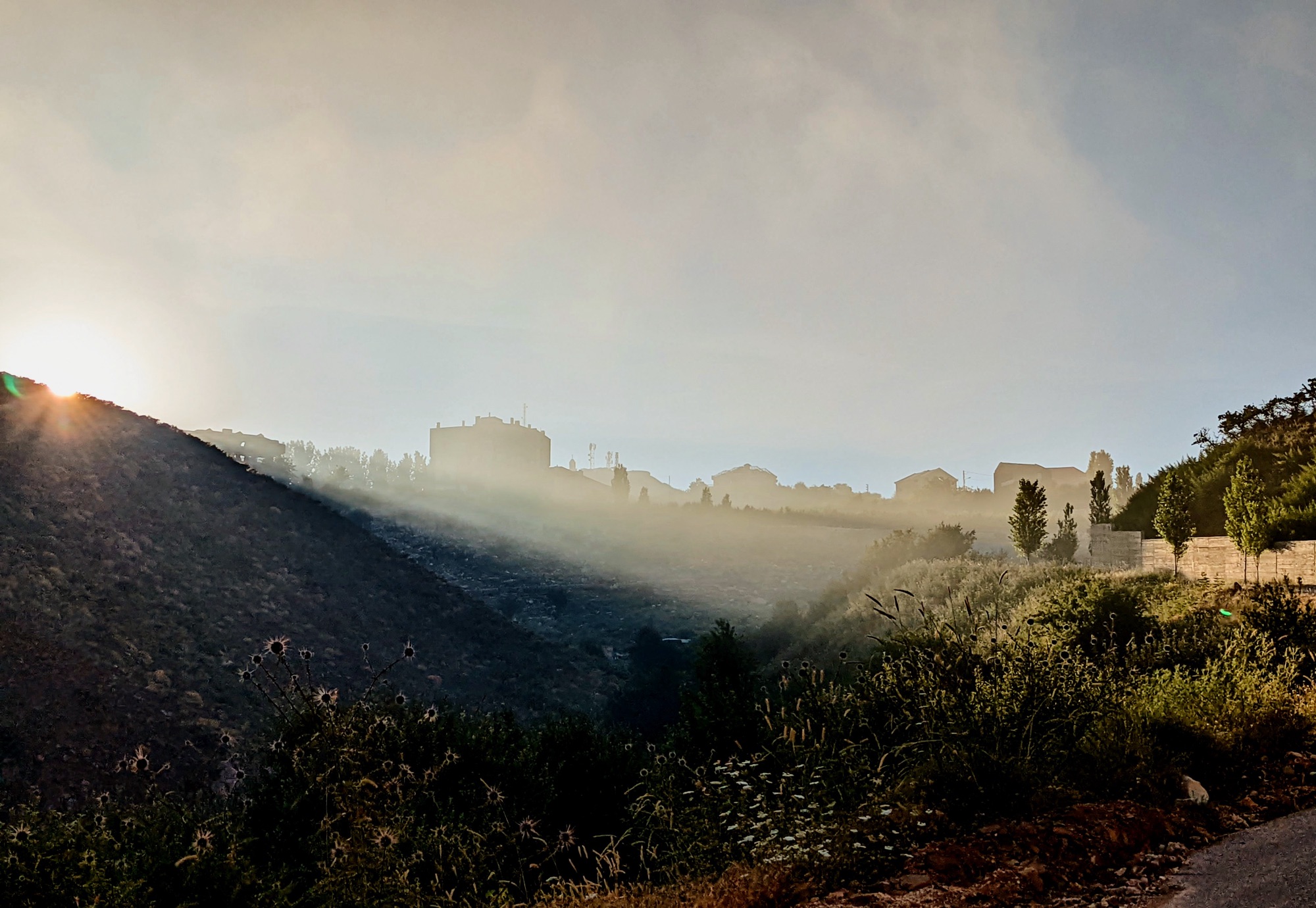
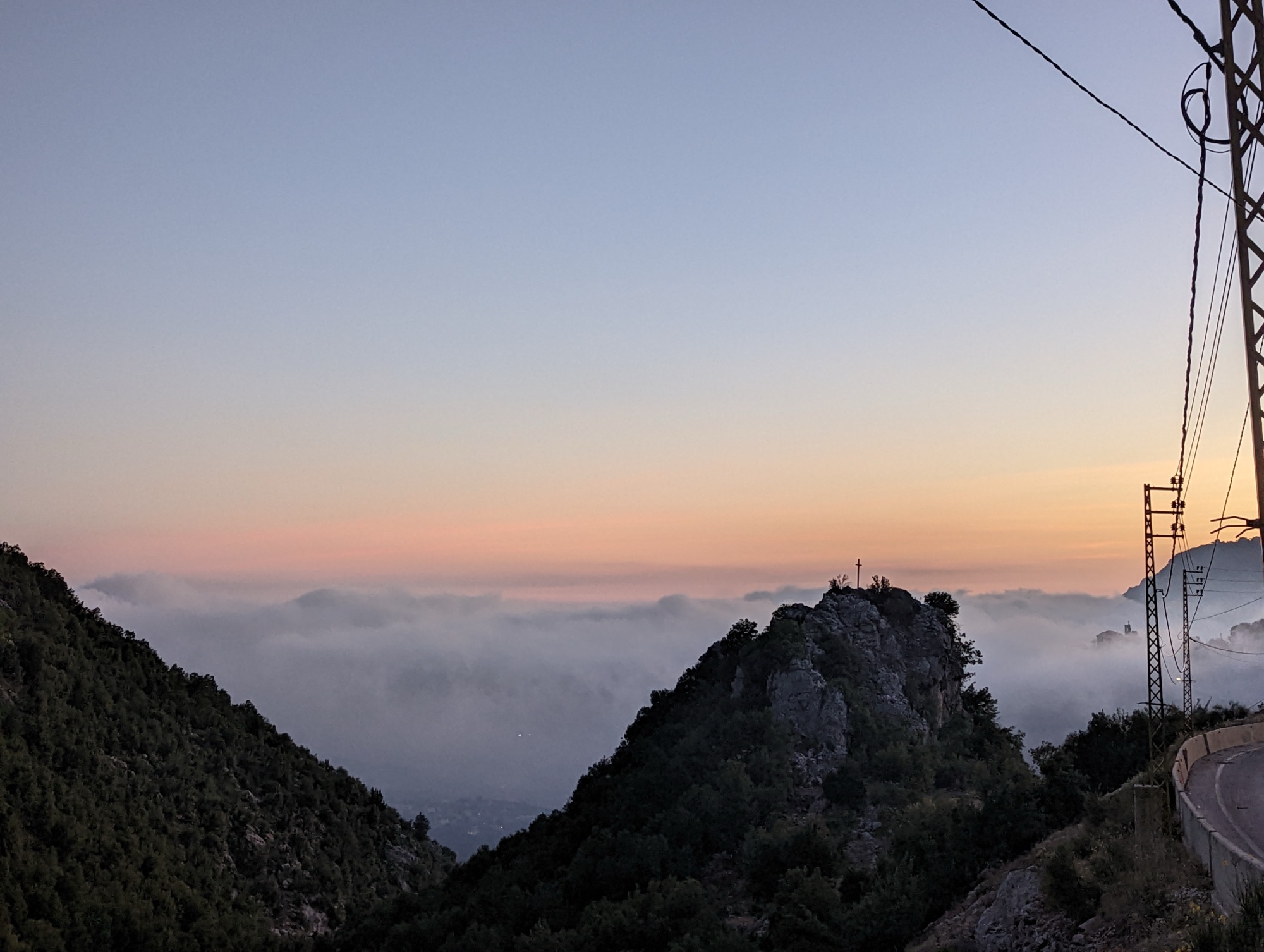
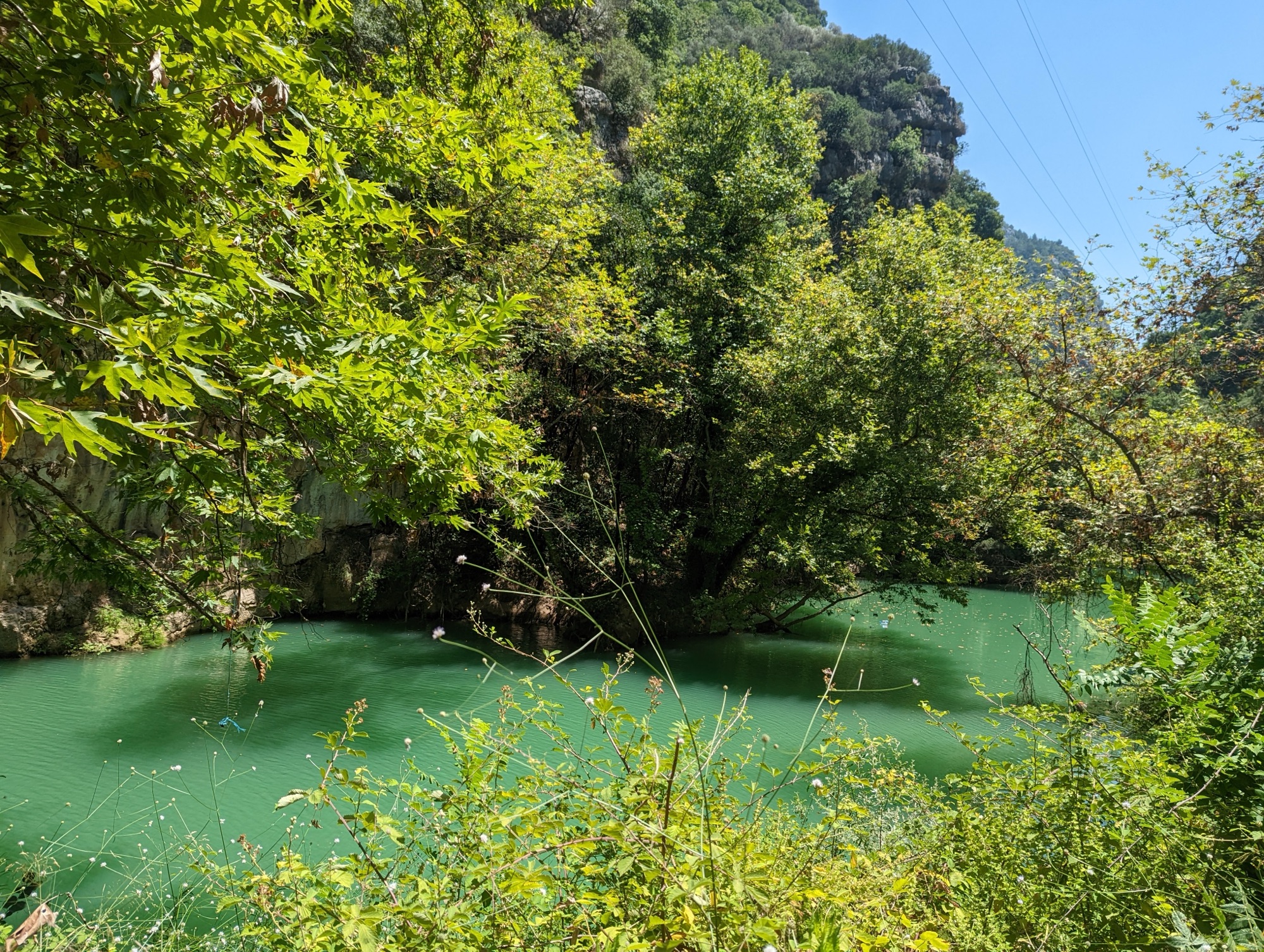
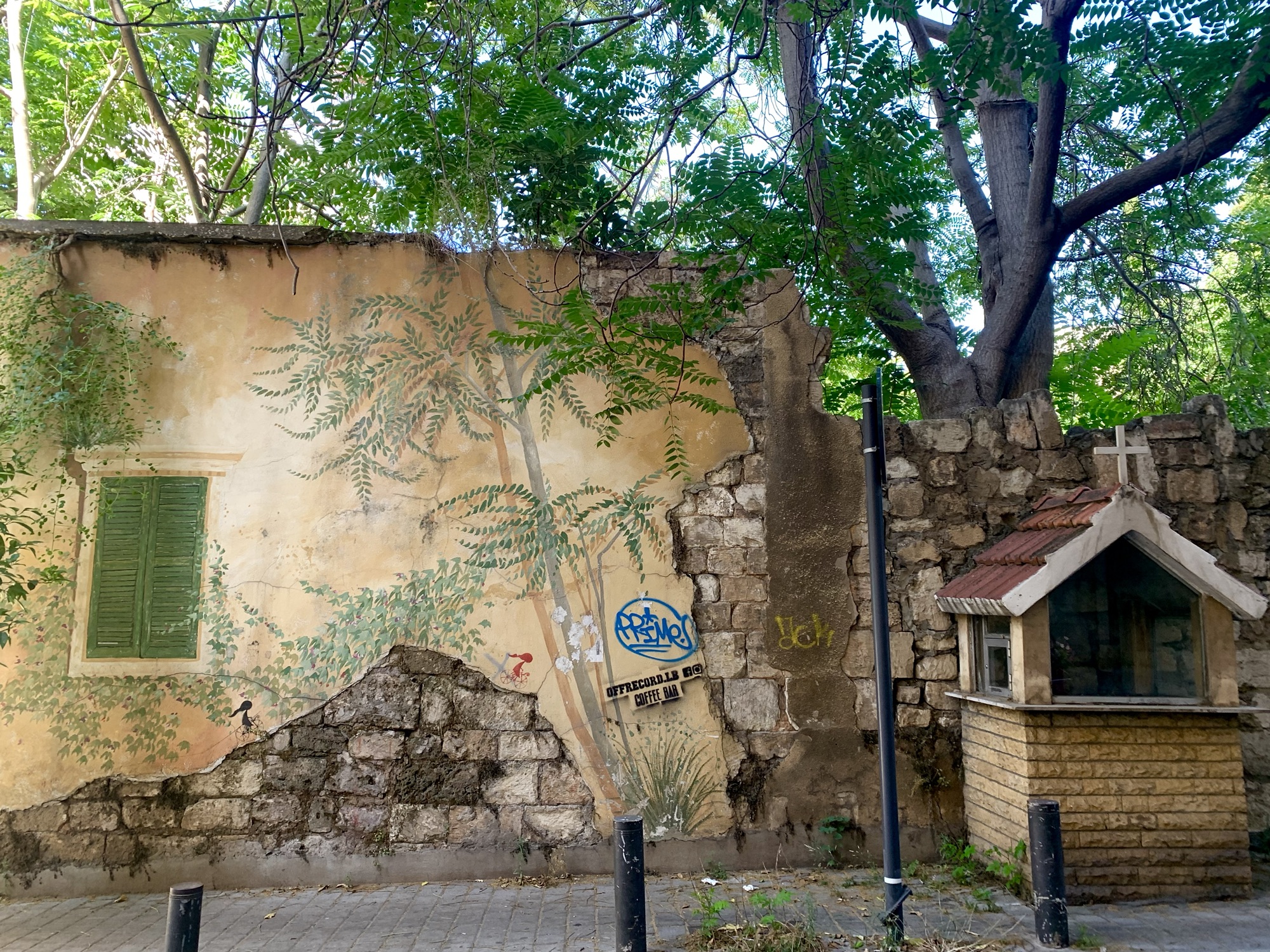
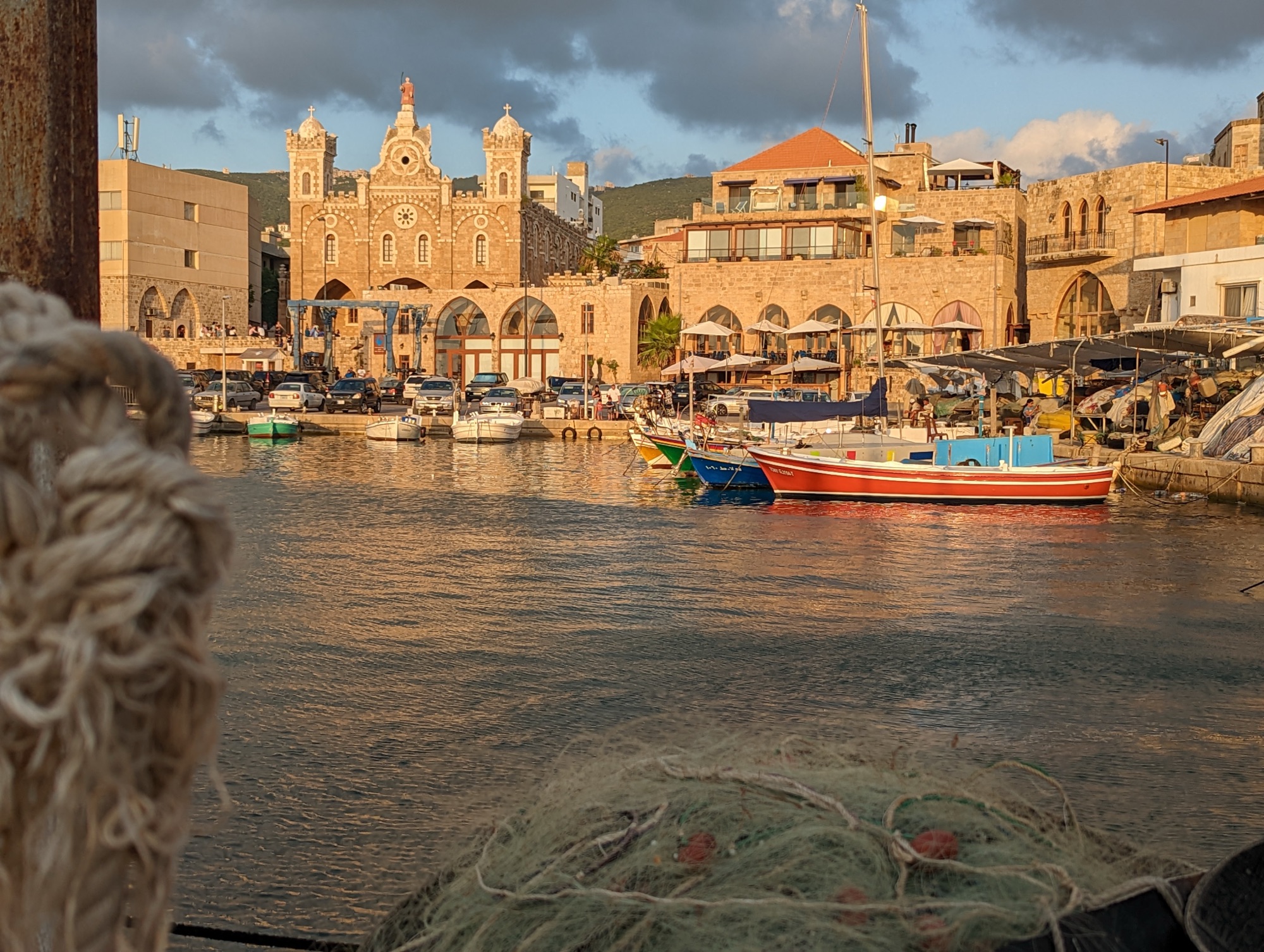
Lebanon is a country of incredible natural beauty and a rich history, stretching along the eastern shore of the Mediterranean. Beaches, mountains, waterfalls, sunshine, and snowy slopes; historic sites from the Phoenician, Roman, Crusader, and Ottoman times – Lebanon has it all. It’s also REALLY small. It has a population of 5.5 million (there are more Lebanese living in the diaspora than in Lebanon itself4) and the whole country is just half the size of Wales in the UK (10.452 km2). From cosmopolitan Beirut to quaint little villages that preserve their authentic character, Lebanon is a complex patchwork of cultures, religions, traditions, and influences from the East and Europe. It’s a country of contradictions.
I’m often struck by the misconceptions of this part of the world in the West. That said, the journalist Jonathan Randall5 did call Lebanon ‘the most complicated country in the Middle East’. It’s also pretty hard to go about trying to understand Lebanon without also comprehending the wider region (sometimes referred to as the MENA6 region). In fact, I would argue that many of the crises and difficulties Lebanon faces today can be seen as emblematic of some of the defining global crises of our time (getting ahead of myself here). Anyway, this blog is a chance for me to reflect, amplify human stories, and hopefully gain some allies and open some critical discussion as I continue pondering…
Thank you so much to anybody who takes the time to read! Please let me know what you think.
- INGO : International NGO (Non-Government Organisation) ↩︎
- Please note: hopefully it is clear this is intended to be a personal blog and all opinions are just that – my own opinions. It is a personal blog and not intended as a serious work of journalism or research. ↩︎
- Statistic Quoted by Emily Tripp, Director of AirWars in CNN Article, Washington Post article ↩︎
- There are no agreed figures on the Lebanese diaspora, with estimates ranging from between 4 to 14 million people of Lebanese origin living abroad. ↩︎
- Randall. J. The Tragedy of Lebanon: Christian Warlords, Israeli Adventurers and American Bunglers. (Note, like many things written on Lebanon, this is not a neutral book and I personally wouldn’t recommend this to be the first book somebody reads on Lebanon). ↩︎
- MENA: Middle East and North Africa ↩︎






 The Beirut Bulbul.