
Riwayat is the Arabic word for ‘novels’ or ‘stories’.
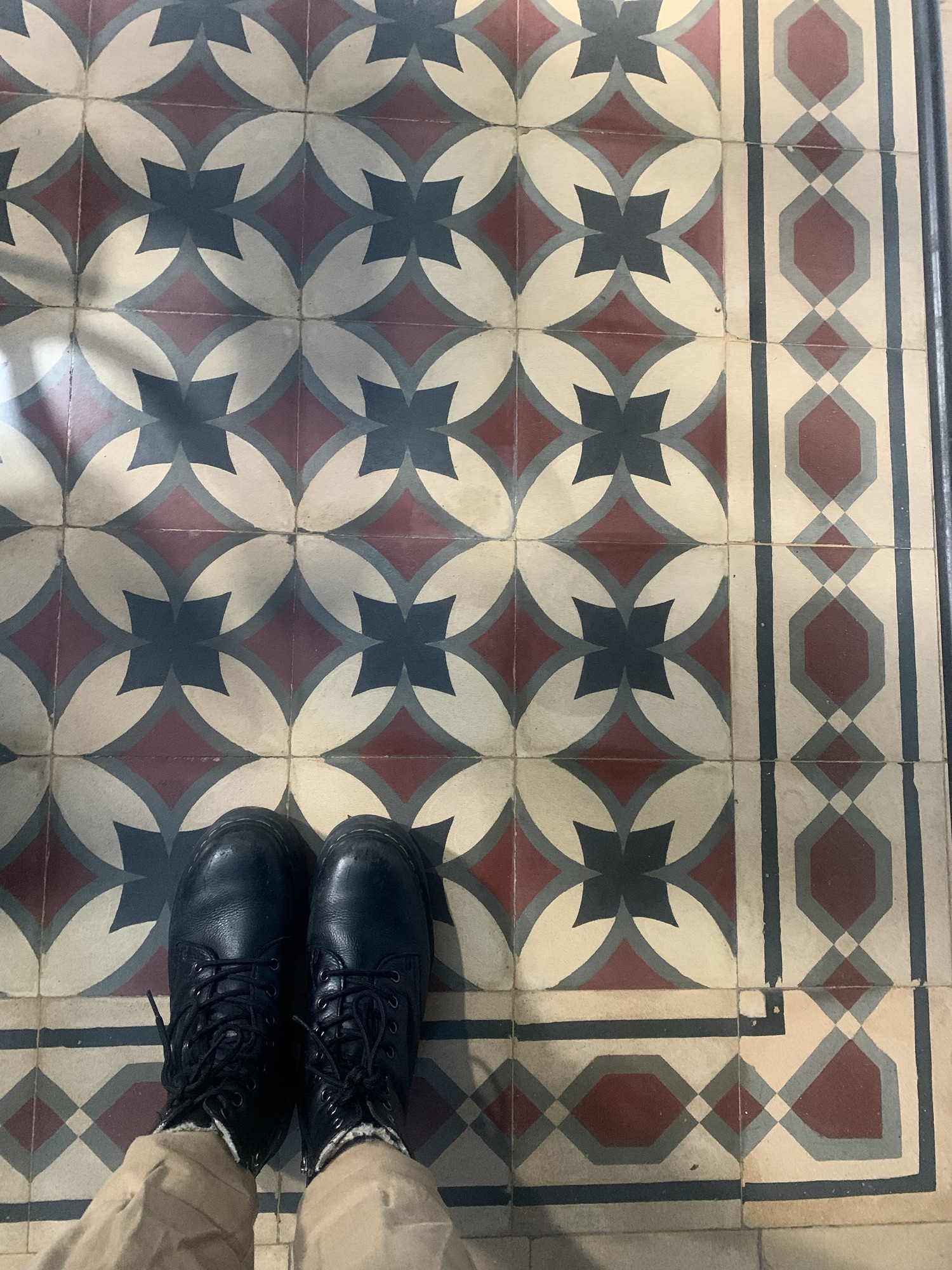
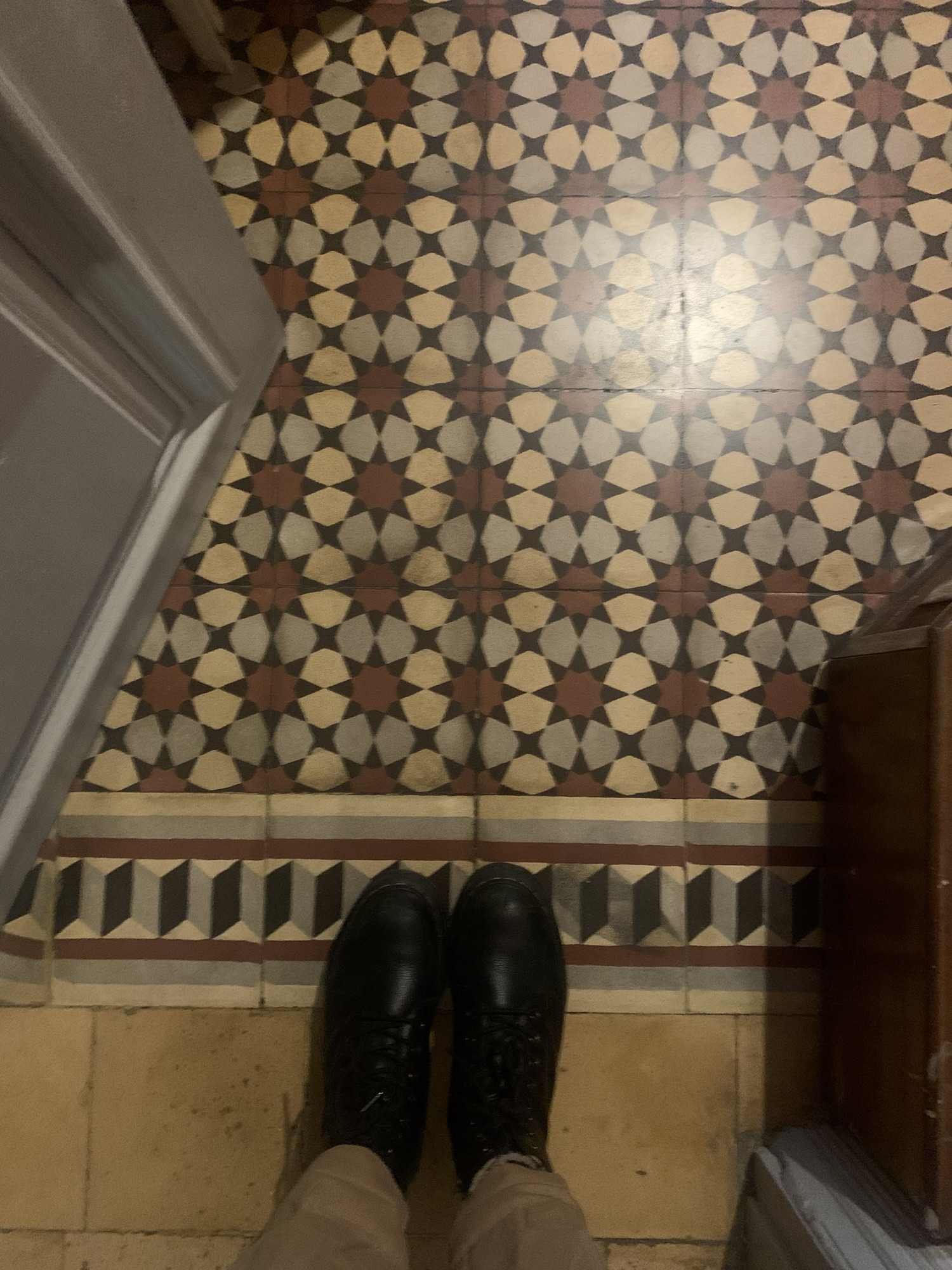
On an unusually rainy April Tuesday, I met Ahmad on the balcony of a beautiful old building in the chic Gemmayze neighbourhood of Beirut. We were in the Levantine Arabic Language Institute of Beirut. The building has traditional Lebanese floor tiles and pastel-coloured walls. The tall windows look out onto a street filled with cascading plants. The other side opens onto a balcony with a wooden table and an eclectic array of chairs. Today the air was refreshingly cool.
Ahmad was telling me about a creative idea he had had. He wanted to use Lebanese film and cinema to bring people together.
Building a Bridge
“I dont like the term ‘alternative cinema’” he told me. “For me this is the real cinema. What’s dominant in the market is the commercial stuff. But for me…the real cinema…It’s very close to people’s emotions, and what they experienced, in Beirut specifically… and in the region. Also the lack of spaces, especially after the [financial] crisis, the explosion, Covid, and all that we’ve passed through. People were thirsty to be in the same room”.
And so Riwayat was born. “The purpose is to create a bridge between the film makers and the audience” Ahmad told me. “It is not only the screening that is important but the connection”. “It’s not just the films. it’s the stories of the director. His / her cultural, political and social background. It’s stories”.
No Chairs
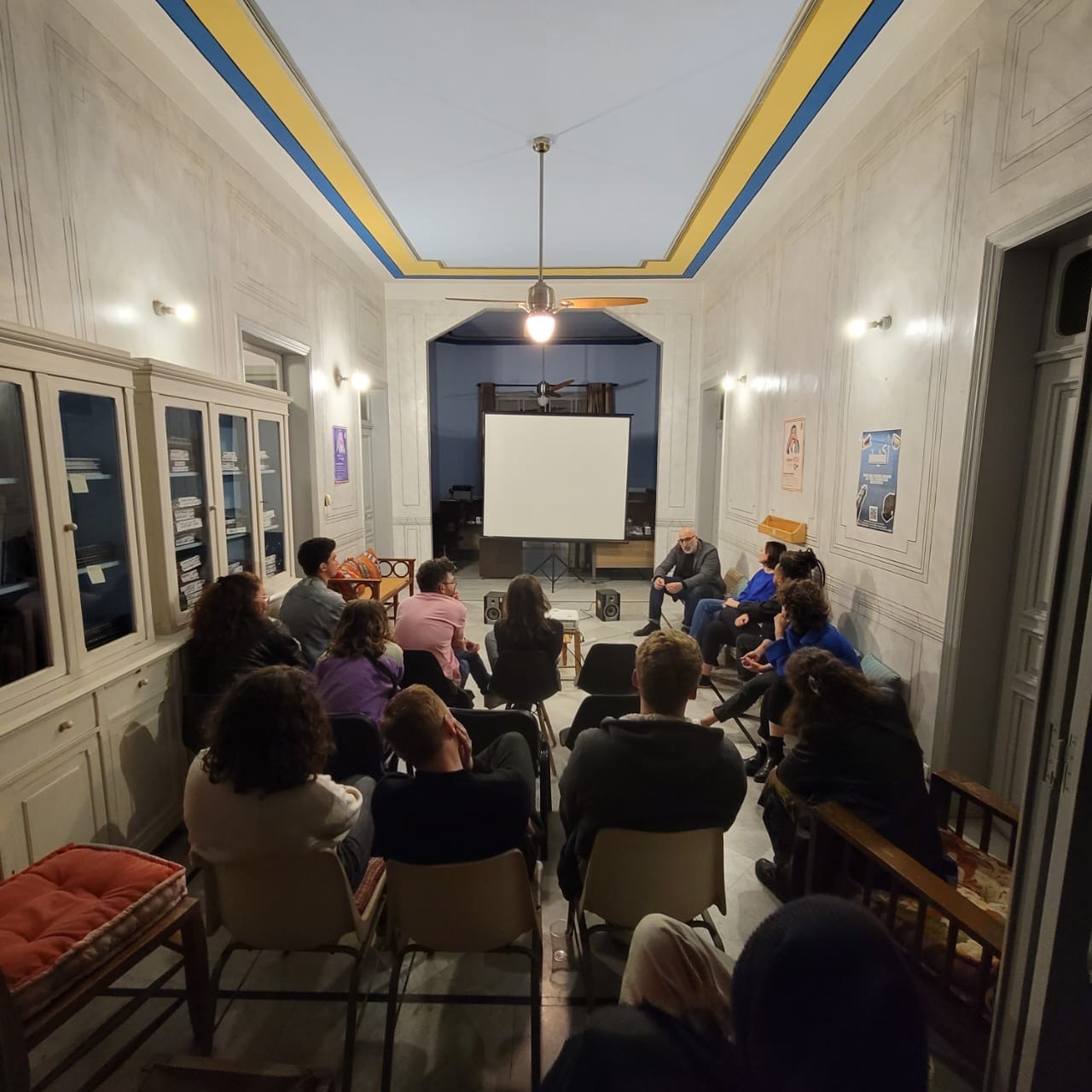
The Levantine Institute generously agreed to host Riwayat in their building. The first film they screened was a feature length documentary called ‘Diaries of a flying dog’. “I was suprised” Ahmad said. “I felt people were thirsty for such cultural things. It wasnt only students [from the Institute]. We put up posters and published [the event] on instagram and it was full! So then we started to screen every month”.
“At first we didn’t have enough chairs! But it worked because we customised tables and put pillows on them….”.
“Til now we’ve screened 11 movies with a Q&A. All the films have been selected for film festivals. Some with big names – Simone El Habre, Nicolas Khoury, Karam Ghossein”. See the full list of films on Riwayat’s instagram page.
Ahmad also hopes to start a podcast featuring interviews with Lebanese film directors, and wants to look for funding so he can do more regular screenings (it’s currently once a month). “This is the vision”.
A Song
I asked Ahmad where he got the idea for the name ‘Riwayat’. “There is a song by Souad Massi called Raoui, which means storyteller” Ahmad told me, “and I like the song a lot”. Souad Massi is an Algerian Berber singer. The plural of the Arabic word Raoui, is Riwayat.
The Situation in Lebanon
The main students at the Levantine Institute are foreigners who have come to learn Arabic. So when there is turbulence in the region, the Institute and all of the staff are very affected, because foreigners often leave the country quickly at the first sign of trouble. I asked Ahmad if it has it been difficult since the events of 7th October, “Kteer (very)” he said seriously, “The most difficult”.
“Do you feel the stress and the worry?” I asked. “If we go to this path or way of thinking, it will be horrible. But, I’m dealing with it day by day….Also there is a word that I hate alot, it’s a label for Lebanese people, which is ‘resilience’. And we shouldn’t [have to be resilient ] – we don’t deserve this…We are coping with life yanee, with what is going on. But the conclusion in my head, I don’t have any other option than to live day by day, and not to overthink. Also to deal with the emotions and not to supress my stress. because this is a real issue. so i think all of my energy is going on this balance, to keep this balance”. And it’s true, this is a difficult balance to strike, and it really does take a lot of energy.
I asked Ahmad what he would say to people in the West, or those outside of Lebanon. “Awol shee (first thing) – Never believe the mainstream media. And this image of Lebanon – that it was the war of others on our land. No! let’s face it you know. [We all had a part to play]. I’m speaking also to Lebanese who live outside of Lebanon”.
“Lebanon takes a long time to understand. even the creation of Lebanon was a mess. so how we are trying to create an identity out of people who are not agreeing on the history books? I dont know….Or agreeing on anything actually? I’m a little bit radical for the idea of Lebanon. I feel like this is not our identity. The lebanese identity is imposed on us. how the borders were created, by the French and the British……I have an example, my Grandpa told me “I used to go to Akka (also called Acre) in Palestine more than going to Beirut” [so he has more links there than to Beirut even though he is now classified as Lebanese]. Or if you ask people who were living in Tripoli, and their relation with Syria, “how was it?” He said, referring to the fact that Tripoli, Lebanons second city (only 30 km away from the Syrian border) historically had many more ties to Syria than to Beirut or Mount Lebanon.
[The Lebanese identity].. “This is something that was created by others. and to serve the interests of others”. “For me the idea of identity is very vague. It’s not easily defined. To agree on a country, citizenship. we dont feel it”. Ahmad told me. “You don’t feel Lebanese?” I asked? “Exactly”.
[The Lebanese identity] “Shoo ya3nee?” (What is this?)
Smooth like Rap
“After October 7th, I started to write again, to participate in open mics and Sidewalk”. Ahmad told me. Sidewalk is an open mic night hosted at Riwaq, a bar popular on Beirut’s still lively nightlife scene, every Monday night. Ahmad used to write a lot when he was young, but he stopped writing in 2015. “And with all the overwhelming pressure, since October, now I’m…. realising that writing was one of the ways to keep the balance – like a kind of therapy. It’s not a rigid way of writing. It’s smooth like rap. A mix of Fus7a (formal / official arabic used in newspapers), and Aameyeh (the Lebanese colloquial dialect), with some English and French thrown in there”. This mixture of languages is very Lebanese. “But it’s aggressive yanee” he added. It’s one way to channel and vent some of the stress and anger at the situation imposed on people in Lebanon.
Dancing on the Bar
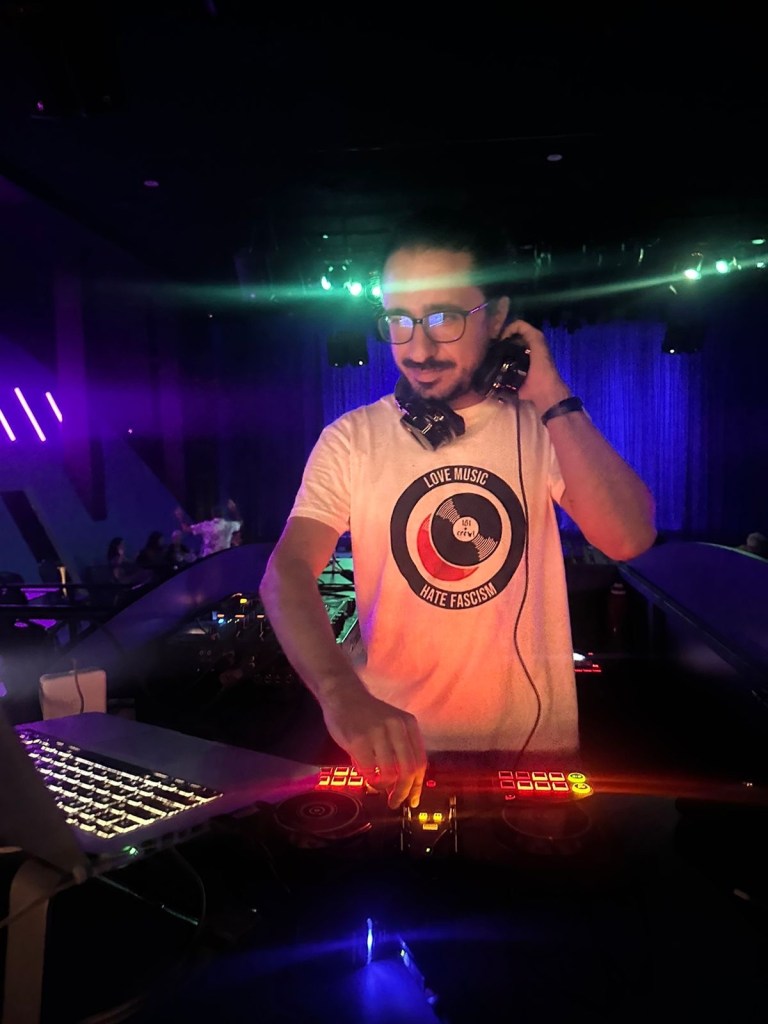
Ahmad also DJs. He refers to it more as ‘organising music’ “I’m not a professional, I didn’t study it, but I have a passion for it”.
It started as a coincidence in 2014. A friend of Ahmad’s was working alone in a crowded bar in the Beirut district of Hamra. Ahmad helped her with the music “I had the music on a USB with Windows player!” Ahmad told me (very retro these days!). After the 4th track, people were dancing on the bar. So Ahmad’s friend invited him back each week. After 2 or 3 times, the Manager of Metro Medina (a large club venue) heard and asked if Ahmad wanted to DJ there too. “And I made enough money to buy myself a MACbook to play more music”.
More
Ahmad, it’s inspiring to see you bringing people together and working to provide space for joint cultural reflection and expression. Keep up the great work, and can’t wait for the next event!
The Levantine Institute also hosts other cultural events and activities. Follow them for updates:






Leave a comment